
North Korea Claims New Air-Defence Test and Cruise Missile Drill
Pyongyang says its forces conducted two weapons activities on Wednesday. South Korea independently detected launches, but the North’s claims about system performance remain unverified.
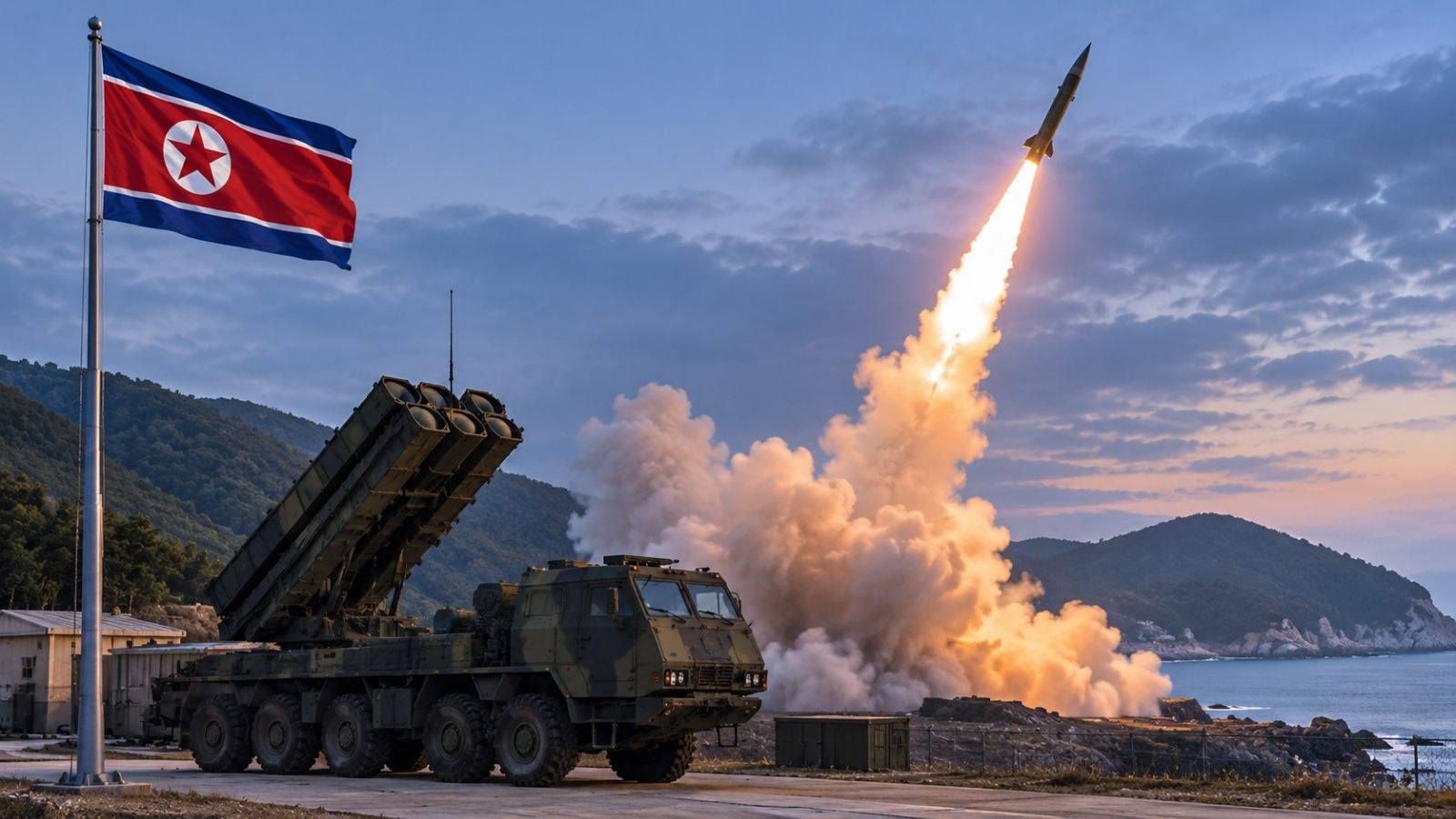
North Korea said on Thursday that it had tested a newly developed air-defence missile system and held a separate long-range cruise missile exercise the previous day. South Korea independently detected launches on 4 November but has not verified Pyongyang’s claims about the systems’ performance.
The state-run Korean Central News Agency reported the drills on Thursday, 5 November. It said the air-defence test assessed new guidance technologies and the system's ability to detect and track targets, while another military unit practised attacking a simulated airfield with a long-range cruise missile.
South Korea's Joint Chiefs of Staff had already reported detecting multiple missile launches on Wednesday from the Sondok area towards the sea off North Korea's east coast. That observation supports the occurrence of launches, but it does not independently establish every technical performance claim made by Pyongyang.
Two types of activity
An air-defence missile is generally designed to intercept aircraft or other airborne targets. A cruise missile serves a different purpose, travelling towards a target such as a military facility. North Korea described both activities in its latest announcement, but did not publish a complete set of independently verifiable measurements for the systems.
Its report said officials overseeing the tests assessed missile guidance and detection systems. Seoul's military said preliminary tracking suggested the projectiles could include different types, and analysts have examined the state photographs for clues about their design.
The images themselves cannot establish that a weapon performed exactly as described. Such claims would require more technical evidence than was publicly available at the time of the announcement.
What independent monitoring can confirm
South Korea’s Joint Chiefs of Staff, as reported by Yonhap, detected multiple projectiles launched from the Sondok area towards the East Sea. That observation establishes a reported launch event independently of North Korea’s state media. It does not confirm the claimed guidance performance, reliability or target-tracking capability of a new weapon. Those claims still come from KCNA, which should remain explicitly attributed in reporting.
Tensions and regional response
The tests come during heightened tension between North and South Korea and amid uncertainty about prospects for renewed dialogue with Washington. South Korean authorities said they had monitored the launches and were reviewing the information available from their surveillance systems.
North Korea routinely presents weapons tests as part of its national defence programmes. Neighbouring governments regard repeated launches as a concern for regional security, especially when they coincide with military exercises or diplomatic disputes.
The distinction between the launch date and the report date matters for a news account: the activities were described as taking place on Wednesday, 4 November, but the North made its latest claims public on Thursday.
The next question is whether South Korean or other regional officials release additional information about the missiles' flight paths and capabilities. For now, the launches are reported by both sides, while the North's account of technical success remains its own assertion.
Reporting sources
- Yonhap – revised 5 November report
- The Korea Herald – test coverage
- Stars and Stripes – regional report
Sources

Musa Ersoy
Musa Ersoy is an editor and writer at DEFUXA Global News, covering developments in the United Kingdom and around the world. He researches news stories using official statements, credible sources and independently verifiable information. His editorial work focuses on factual ac…
Author profile and articles