
Former Macao Lawmaker Au Kam-san Sentenced to 12½ Years
Macao’s Court of First Instance sentenced former legislator Au Kam-san to 12 years and six months in its first publicly known national security prosecution.
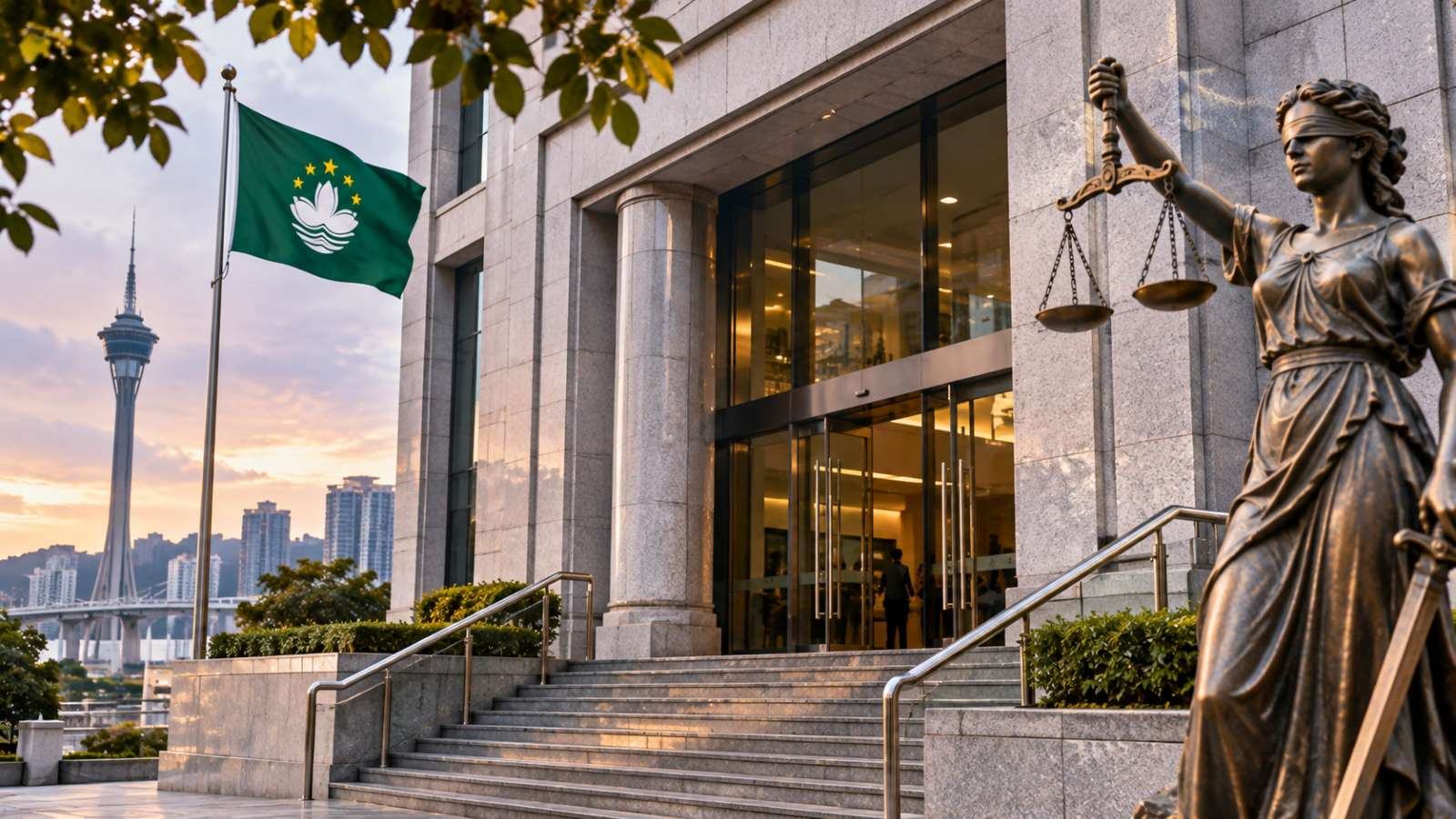
A former pro-democracy legislator in Macao has been sentenced to 12 years and six months in prison, a major judgement in the Chinese territory's first publicly known national security case.
Au Kam-san, 69, was convicted of offences including subverting state power, breaches of secrecy and establishing links with people or organisations outside the territory in connection with acts the court said endangered national security.
The case was heard behind closed doors. Associated Press reporting described criticism of the closed-door proceedings, while the court said it had examined the evidence and found most allegations proven. Those contrasting accounts are central to understanding the reaction to Friday's decision.
According to RTHK, the court convicted Au on one subversion count, two counts involving external organisations and a secrecy count. It did not convict him on every allegation presented by prosecutors. Keeping those outcomes separate prevents a general description of the trial from overstating the verdict.
Charges and court findings
Macao's Court of First Instance said Au had collaborated with overseas groups and helped circulate material intended to challenge state authority. It also found that he had disclosed confidential material from a closed legislative committee meeting. These are findings of the court; the article does not independently establish each alleged act.
Au served for many years in Macao's legislature and was among the small number of legislators who openly advocated democratic reforms. His prosecution drew attention because national security legislation had been in place since 2009 without a comparable publicly known case under its provisions.
The Hong Kong and Macao Affairs Office welcomed the ruling as a measure to protect national security. Au’s family and lawyers criticised the proceedings, while Macao and Chinese authorities defended the judgement as lawful national security enforcement.
Why the closed proceedings matter
Macao operates under a separate legal and administrative framework as a special administrative region of China. It is internationally known for its casino economy, but the ruling has put its political and legal arrangements in the spotlight.
Friday's sentence is a court decision, not a broader judgement about everyone who supports political change. Its implications will depend on any appeal, the precise offences applied and how the authorities interpret the law in subsequent cases.
Reports from RTHK, AP and other outlets agreed on the length of the sentence. Future procedural steps, including any appeal, should be confirmed from court filings or lawyers before being reported as settled.
Sources and verification
Sources

Musa Ersoy
Musa Ersoy is an editor and writer at DEFUXA Global News, covering developments in the United Kingdom and around the world. He researches news stories using official statements, credible sources and independently verifiable information. His editorial work focuses on factual ac…
Author profile and articles